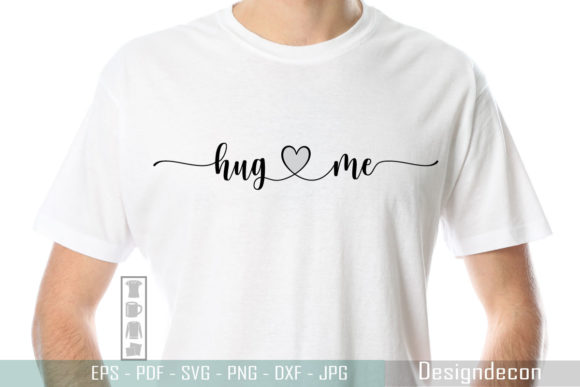
Hug Me - Continuous One Line Calligraphy
As an embroidery designer and product reviewer, I’ve seen countless designs come and go. But Hug Me - Continuous One Line Calligraphy stands out for its simplicity, elegance, and emotional impact. This is a design that feels personal, almost like it was meant to be stitched onto something meaningful.
The First Impression: A Design That Speaks Without Words
From the moment I opened Hug Me - Continuous One Line Calligraphy, I was struck by its clean, flowing lines. It’s not just a quote—it’s a visual experience. The calligraphy style is soft yet confident, with a sense of movement that makes it feel alive. The layout is balanced, allowing for easy customization without sacrificing the integrity of the design.
This is a machine embroidery design that works best on larger surfaces where the curves can breathe. It’s ideal for custom apparel, tote bags, or even baby items where a gentle, heartfelt message is needed. The theme is clear: love, affection, and warmth. It’s perfect for Valentine’s Day, but also for any occasion that calls for a personal touch.
Real-World Use: How Hug Me - Continuous One Line Calligraphy Performs
I tested Hug Me - Continuous One Line Calligraphy on several fabrics, from cotton t-shirts to thicker sweatshirts. On smooth, flat surfaces, it looked great—clean and precise. But when I tried it on a textured fabric, like a linen tote bag, the details became slightly less defined. It wasn’t bad, just less sharp than on a smoother material.
For small hoop sizes, this design might be a challenge. The continuous line requires enough space to maintain its flow, and if the hoop is too tight, parts of the design could get distorted. I recommend using a medium to large hoop for the best results. If you’re working on a cap or a curved surface, be prepared to adjust the design slightly for optimal placement.
When it comes to stitch density, Hug Me - Continuous One Line Calligraphy is light. It uses a running stitch rather than dense fill or satin stitches. This makes it ideal for thin or stretchy fabrics, as it won’t add unnecessary bulk. However, if you want more visual weight, you can layer it with a subtle fill or satin stitch in a contrasting color.
Where to Be Careful: Limitations and Considerations
While Hug Me - Continuous One Line Calligraphy is versatile, there are some situations where it might not perform as well. On dark fabrics, the design can be hard to see unless you use a bright thread color. For example, a white thread on a black shirt would stand out nicely, but a gray thread might blend in too much.
On thin or stretchy fabrics, make sure to use the right stabilizer. Without proper support, the design might pucker or shift during stitching. Also, if you’re planning to use this on a layered garment, like a hoodie, consider how the design will sit on top of the fabric layers. It might need some adjustment for visibility and durability.
For products that will be washed frequently, such as tea towels or aprons, the design holds up well. But if you're planning to use it on something like a baby onesie, test it first. The thread color and fabric type matter a lot here. A softer, more neutral thread might be better for a baby item than a bold color.
Impact on Visual Appeal and Customer Perception
One of the strengths of Hug Me - Continuous One Line Calligraphy is how it elevates a handmade product. When stitched onto a tote bag or a sweatshirt, it adds a level of sophistication that customers notice. It’s not just a design—it’s a statement. People who receive a personalized gift with this embroidery often express appreciation for the thoughtfulness behind it.
In terms of brand consistency, this design works well for businesses that focus on heartfelt, personalized products. Whether you’re an Etsy seller or a small shop owner, Hug Me - Continuous One Line Calligraphy can help reinforce your brand’s identity. It’s also great for printable mockups, as it looks good in both digital and physical formats.
From a buyer engagement perspective, this design has a strong emotional appeal. It’s not just about aesthetics—it’s about connection. Customers are more likely to engage with a product that feels personal, and this design delivers that feeling consistently.
Practical Designer Notes: What You Need to Know
Before using Hug Me - Continuous One Line Calligraphy in your projects, here are a few things to keep in mind:
- Test on scrap fabric first. This helps you see how the design looks on different materials and adjust your settings accordingly.
- Check thread color contrast. Make sure the thread you choose complements the fabric and enhances the design.
- Review stitch density. Lighter stitches are fine for most applications, but if you want more definition, consider adding a fill or outline.
- Confirm hoop size. Larger hoops will give you more flexibility, especially with a continuous line design.
- Inspect small details. Some areas of the design may need extra attention to ensure they look clean after stitching.
- Test in black and white mockups. This helps you see how the design will look on different backgrounds before committing to a final product.
- Compare light and dark fabric backgrounds. The design may require adjustments depending on the fabric color.
- Use proper stabilizer. This is essential for maintaining the shape and clarity of the design, especially on delicate or stretchy fabrics.
- Check licensing before selling. Make sure you have the rights to use this design for commercial purposes, whether it’s for finished products or digital files.
Final Thoughts: A Design That Fits Many Needs
Hug Me - Continuous One Line Calligraphy is a versatile, emotionally resonant design that can fit into many types of embroidery projects. Whether you're creating custom apparel, personalized gifts, or small business merchandise, this design offers a unique way to express love and care.
It’s not perfect for every situation, but when used correctly, it can elevate your work and create a lasting impression on your customers. As a designer, I appreciate the balance between form and function in this piece. It’s simple, yet powerful—and that’s what makes it valuable in real-world use.